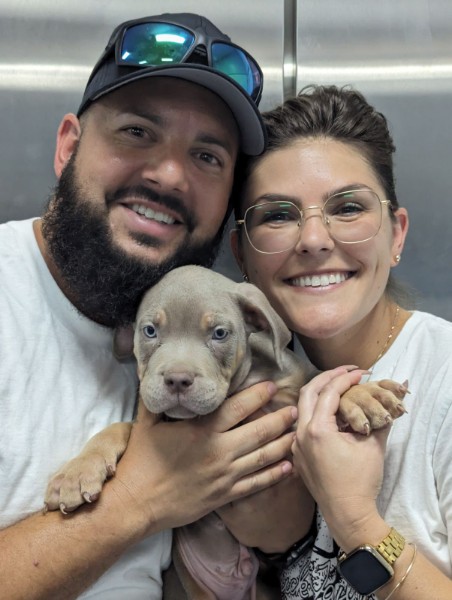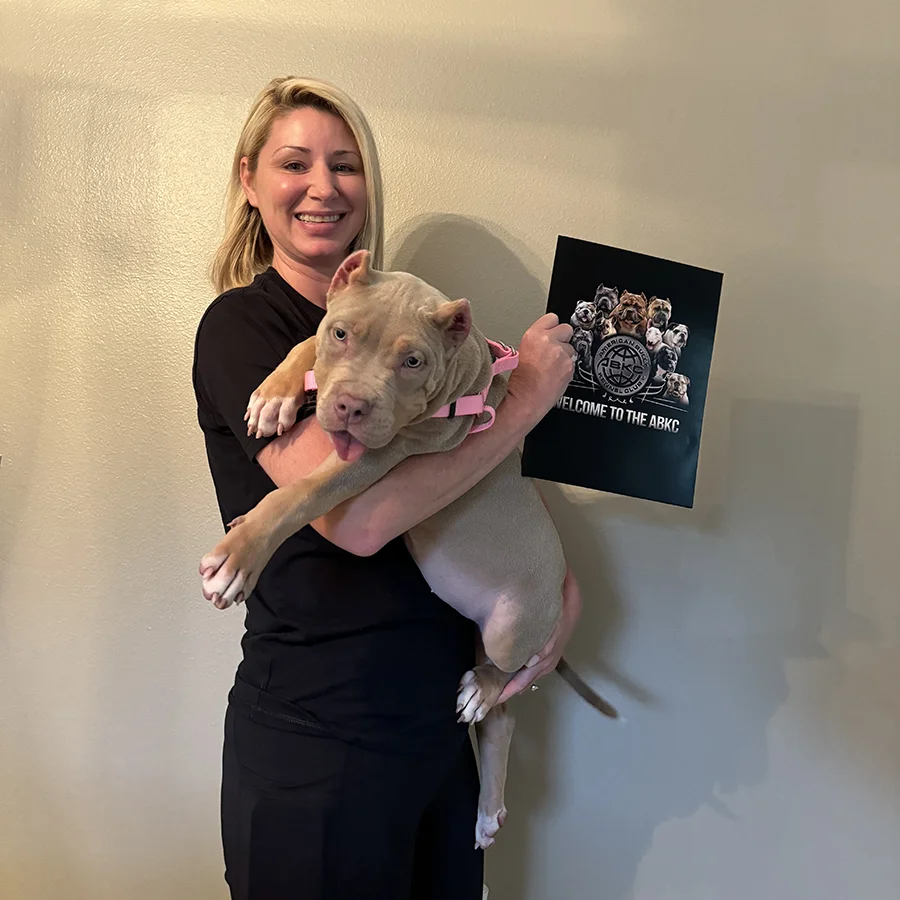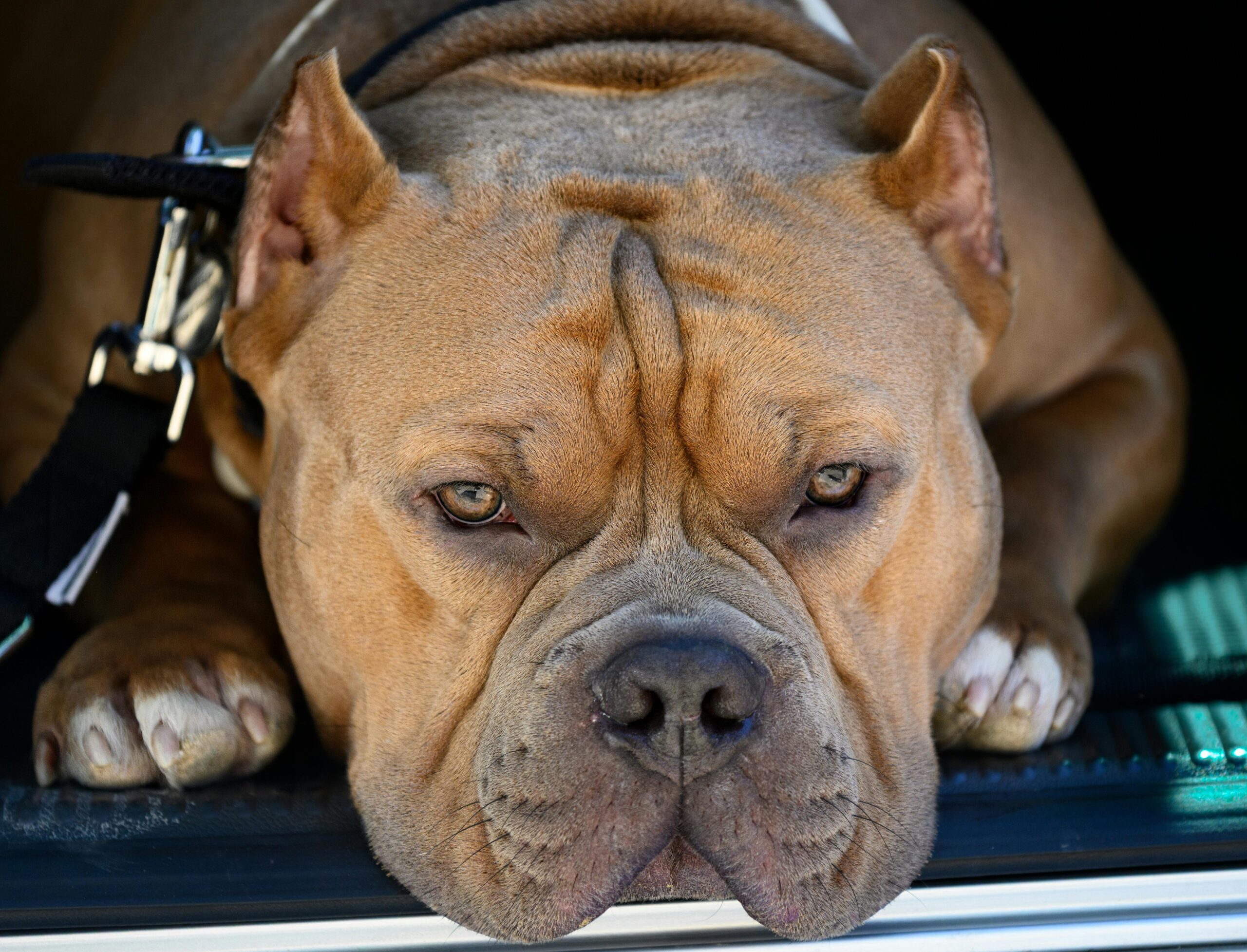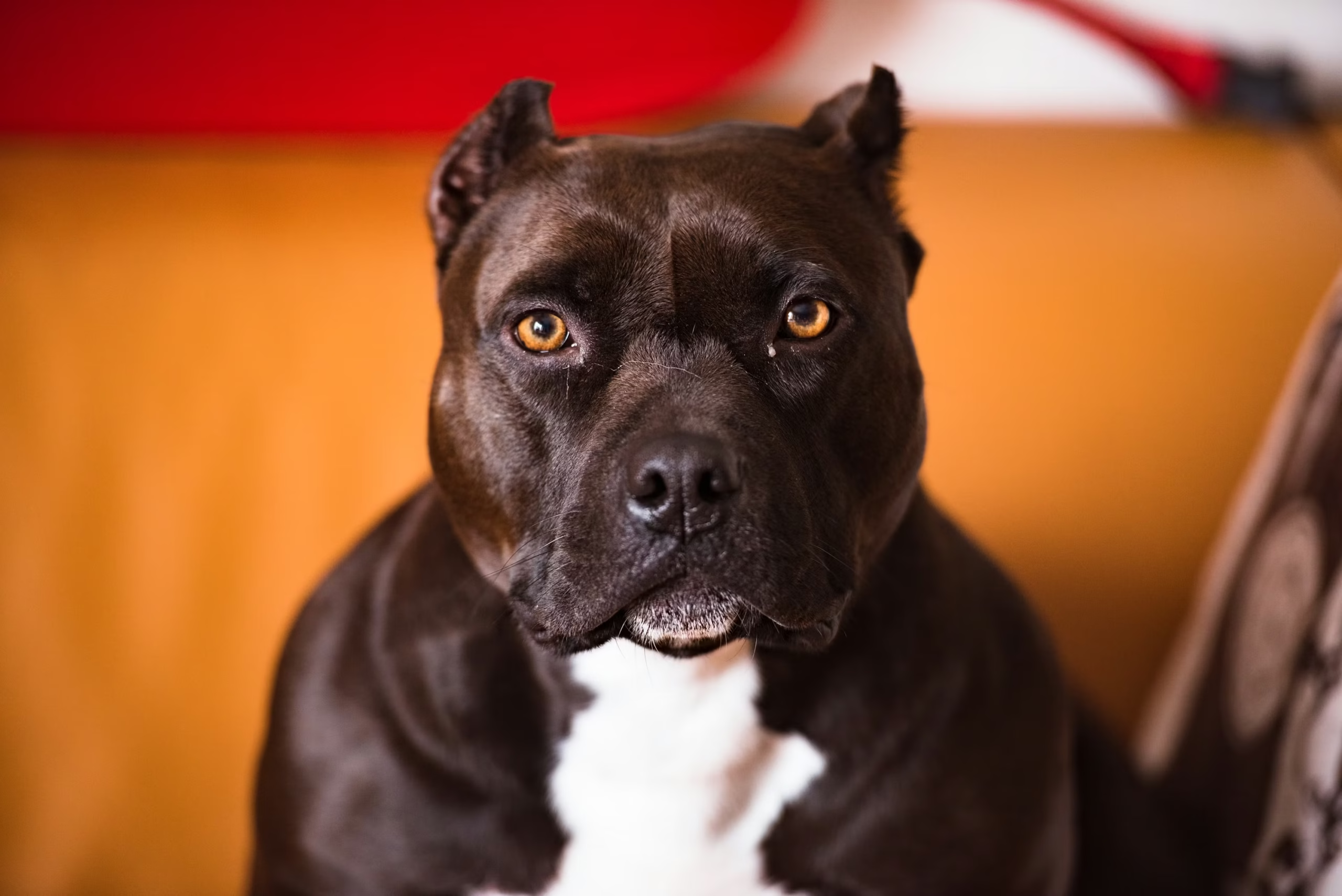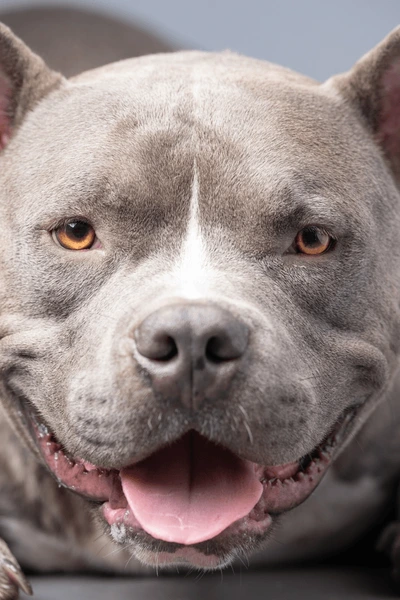


Raising an American Bully puppy is a rewarding journey, but it also requires consistency, structure, and proper care from day one. These dogs are known for their strength, loyalty, and affectionate nature—but their health and temperament depend heavily on how they are raised during puppyhood.
This guide breaks down everything you need to raise a strong, well-behaved, and healthy American Bully puppy.
🐶 1. Understanding Your American Bully Puppy
American Bullies are muscular companion dogs bred for temperament, not aggression. Despite their powerful appearance, they are naturally affectionate and family-oriented.
Key traits:
- Highly loyal and people-focused
- Calm when properly trained
- Strong but sensitive emotionally
- Intelligent and quick learners
Early development shapes their personality, so the first 6–12 months are very important.
🍗 2. Proper Nutrition for Healthy Growth
Diet is one of the most important factors in raising a strong American Bully.
🥩 What to feed:
- High-protein puppy kibble (25–30% protein minimum)
- Chicken, beef, turkey-based meals
- Healthy fats (fish oil, omega-3)
- Occasional raw feeding (if approved by vet)
❌ Avoid:
- Junk food or human fast food
- Excess grains and sugar
- Overfeeding (leads to obesity)
🕒 Feeding schedule:
- 2–3 months: 4 meals/day
- 3–6 months: 3 meals/day
- 6+ months: 2 meals/day
Proper nutrition builds muscle, bone strength, and immunity.
🏋️ 3. Exercise & Physical Development
American Bullies are energetic dogs, but puppies should not be over-exercised.
Recommended activities:
- Short walks (10–20 minutes daily)
- Light play sessions
- Tug-of-war with safe toys
- Social outdoor exposure
Avoid:
- Heavy running on hard surfaces (damages joints)
- Excessive jumping
- Long forced exercise sessions
Balanced activity helps muscle development without harming joints.
🧠 4. Training & Obedience Basics
Training should start early—ideally from 8 weeks old.
Core commands:
- Sit
- Stay
- Come
- No / Stop
- Heel walking
Training tips:
- Use positive reinforcement (treats + praise)
- Keep sessions short (5–10 minutes)
- Be consistent every day
- Avoid harsh punishment
A well-trained Bully becomes calm, obedient, and confident.
🏡 5. Creating a Safe Home Environment
Your puppy’s environment plays a big role in behavior development.
Setup essentials:
- Comfortable sleeping bed
- Chew toys for teething
- Food and water station
- Puppy-proofed living space
Safety tips:
- Remove electrical cords
- Block dangerous areas
- Avoid toxic plants and chemicals
A secure environment reduces stress and destructive behavior.
🩺 6. Health Care & Vet Visits
Regular health care ensures long life and strong immunity.
Essential care:
- Vaccinations (on schedule)
- Deworming every 3–6 months
- Flea and tick prevention
- Annual vet checkups
Watch for:
- Loss of appetite
- Excess scratching or skin issues
- Limping or joint pain
- Unusual behavior changes
Early detection prevents serious health problems.
🐕 7. Socialization is Key
Socialization builds a balanced temperament.
Expose your puppy to:
- Other dogs
- Children and adults
- Different environments (parks, streets, car rides)
Well-socialized Bullies grow into calm, confident adults.
❤️ Final Thoughts
Raising a healthy American Bully puppy is about consistency, patience, and love. When you combine proper nutrition, structured training, regular vet care, and early socialization, you develop a strong, loyal, and well-balanced companion.
A well-raised Bully is not just a pet—it becomes part of the family.